
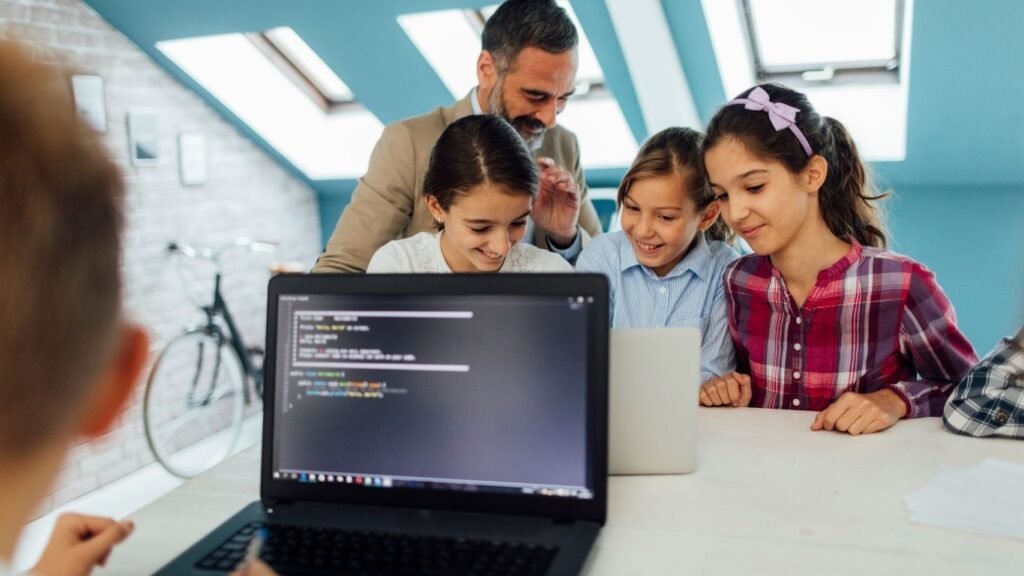
If you’re a parent exploring the world of coding for your child, you’ve probably come across the debate: Scratch vs Python for kids. It’s a common question—and a good one. Choosing the right starting point can shape how your child understands technology, problem-solving, and creativity.
Let’s break it down in a simple, real-world way so you can confidently decide what’s best for your child.
Why Coding Matters for Kids Today?
Before we dive into the comparison, let’s quickly address the bigger picture.
Coding isn’t just about becoming a programmer. It teaches kids:
Logical thinking
Creativity
Problem-solving
Persistence
At EduPodz Junior, we believe coding is a life skill—just like reading or math. The goal isn’t to rush kids into complex programming, but to make learning fun, engaging, and meaningful.
What is Scratch?
Scratch is a beginner-friendly programming platform designed specifically for kids.
Instead of typing code, children use drag-and-drop blocks to create:
Games
Animations
Interactive stories
Think of it like digital LEGO. Kids snap blocks together to build something exciting.
Why Kids Love Scratch?
Scratch feels more like play than learning. That’s its biggest strength.
No typing required
Visual and colorful interface
Instant results (animations come alive quickly)
Encourages storytelling and creativity
For younger kids or complete beginners, Scratch removes the fear of “getting it wrong.”
What is Python?
Python is a real-world programming language used by developers worldwide.
Unlike Scratch, Python uses text-based coding, which means kids type commands to make things happen.
It’s used in:
Game development
Artificial intelligence
Web development
Data science
Why Python is Powerful?
Python is simple compared to other programming languages, but still incredibly powerful.
Easy-to-read syntax
Widely used in real-world applications
Strong foundation for future coding skills
It’s often the next step after kids are comfortable with basic programming concepts.
Scratch vs Python for Kids: Key Differences
Let’s compare them side by side in a way that actually matters for your child.
1. Learning Curve
Scratch: Very easy to start. Kids can build something within minutes.
Python: Slightly harder. Requires typing and understanding syntax.
If your child is new to coding, Scratch is usually the smoother entry point.
2. Creativity vs Logic Balance
Scratch: Focuses heavily on creativity and visual storytelling
Python: Focuses more on logic, structure, and problem-solving
Scratch sparks imagination, while Python builds deeper technical thinking.
3. Error Handling
Scratch: Almost no errors—blocks fit only where they belong
Python: Errors are common (and important for learning debugging)
Python teaches resilience and troubleshooting skills over time.
4. Real-World Application
Scratch: Mainly educational
Python: Used in real industries
Python has more long-term career relevance, but Scratch builds the foundation.
5. Age Suitability
Scratch: Ideal for ages 6–12
Python: Better suited for ages 10+ (depending on readiness)
Age matters, but interest and confidence matter even more.
So, Which One Should Your Child Start With?
Here’s the honest answer: it depends on your child.
Start with Scratch if your child:
Is completely new to coding
Enjoys art, storytelling, or games
Gets frustrated easily with complex instructions
Is younger (6–10 years old)
Start with Python if your child:
Is already comfortable with basic coding concepts
Enjoys problem-solving challenges
Has patience for typing and debugging
Is older (10+ years old)
The Smart Approach: Scratch First, Then Python
At EduPodz Junior, we usually recommend a step-by-step learning path:
Begin with Scratch
Build confidence and understanding of logicTransition to Python
Apply those concepts in a real programming language
This approach helps kids avoid feeling overwhelmed while still progressing toward advanced skills.
How EduPodz Junior Makes Coding Fun and Effective?
Learning coding shouldn’t feel like school homework. It should feel like discovery.
At EduPodz Junior, we focus on:
Interactive, hands-on learning
Small group sessions for personalized attention
Real projects (games, animations, apps)
Supportive mentors who guide—not just teach
We don’t just teach kids how to code. We help them think like creators.
Common Mistakes Parents Make
Let’s quickly address a few things to avoid:
1. Starting Too Advanced Too Soon
Jumping straight into Python without basics can frustrate kids.
2. Focusing Only on Tools
It’s not about Scratch vs Python—it’s about how your child learns best.
3. Ignoring Interest
If your child enjoys storytelling, Scratch will hook them faster. If they love puzzles, Python might click sooner.
Final Thoughts: Scratch vs Python for Kids
When comparing Scratch vs Python for kids, there’s no “one-size-fits-all” answer.
Scratch builds confidence and creativity
Python builds depth and real-world skills
The best approach is not choosing one over the other—but choosing the right sequence.
And most importantly, making sure your child enjoys the journey.
Ready to Get Your Child Started?
If you’re looking for a structured, fun, and effective way to introduce coding, explore programs at EduPodz Junior.
Because the goal isn’t just to teach coding—it’s to prepare your child for the future, one small step at a time.
FAQs: Scratch vs Python for Kids
What is the main difference between Scratch vs Python for kids?
The biggest difference between Scratch vs Python for kids is how coding is done. Scratch uses a visual drag-and-drop system, making it easy for beginners to create games and animations without typing. Python, on the other hand, is a text-based programming language where kids write actual code, helping them build real-world programming skills.
Which is better for beginners: Scratch or Python?
For absolute beginners, especially younger children, Scratch is usually the better starting point. It removes the complexity of syntax and lets kids focus on understanding logic and creativity. Python is better suited once kids are comfortable with basic concepts and ready for more advanced coding.
At what age should kids start with Scratch or Python?
When comparing Scratch vs Python for kids, age plays an important role:
- Scratch is ideal for kids aged 6–12
- Python is generally suitable for kids aged 10+
However, every child is different, and interest level matters more than age alone.
Can my child learn Python without learning Scratch first?
Yes, kids can start directly with Python, but it may feel challenging at first. Learning Scratch before Python helps children understand programming logic in a fun and simple way, making the transition to Python much smoother.
Where can my child learn Scratch and Python effectively?
Choosing the right learning platform makes a big difference. Programs like EduPodz Junior offer structured, engaging lessons that guide kids from Scratch to Python step by step, ensuring they learn with confidence and enjoy the process.