
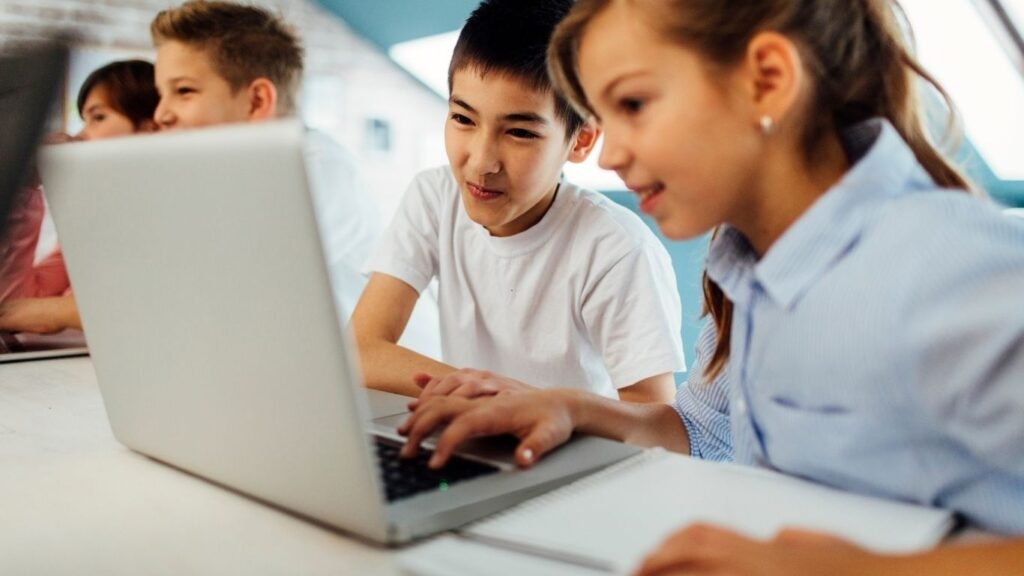
Today’s children are growing up in a world filled with technology, innovation, and constant change. To succeed in this fast-moving environment, kids need more than academic knowledge. They need creativity, confidence, logical thinking, and most importantly, strong problem solving skills for kids.
At EduPodz Junior, the focus is not only on teaching technology but also on helping children become independent thinkers and future-ready learners. Through coding, robotics, AI learning, game development, and interactive STEM education, children learn how to think critically and solve problems step by step.
How EduPodz Junior Helps Kids Build Real-World Skills?
Before understanding why problem solving is important, it’s essential to know how modern learning platforms like EduPodz Junior help children develop these abilities naturally.
EduPodz Junior offers programs designed to make learning interactive, practical, and engaging for children. Their learning approach combines fun with technology so kids stay curious while developing essential life skills.
Services Offered by EduPodz Junior
Coding for Kids
Coding introduces children to logical thinking and structured problem solving. Kids learn how to break big tasks into smaller steps while creating games, animations, and apps.
Robotics Learning
Robotics allows children to understand how technology works through hands-on projects. Kids build, test, and improve robotic models while learning creativity and troubleshooting skills.
Artificial Intelligence Programs
AI learning introduces children to future technologies in a simplified and exciting way. Students explore smart systems, automation, and machine learning concepts that encourage analytical thinking.
Game Development
Creating games helps kids think strategically and creatively. They learn how to solve coding challenges while designing interactive projects.
Web and App Development
Children learn how websites and apps work while improving planning and design thinking skills.
3D Modeling and STEM Activities
Creative STEM projects help kids visualize ideas and convert them into practical solutions.
These programs are designed to make children think independently rather than simply memorize concepts.
What Are Problem Solving Skills for Kids?
Problem solving skills are the ability to:
- Understand a challenge
- Analyze possible solutions
- Make decisions
- Test ideas
- Learn from mistakes
For children, these skills are important in both academics and daily life. Whether they are solving a math question, building a robot, or managing friendships, problem solving helps them handle situations confidently.
Why Problem Solving Skills Are Important for Kids?
1. Helps Children Think Independently
Kids who develop problem solving skills learn how to make decisions without depending on others for every answer. They become more confident in handling challenges.
2. Improves Academic Performance
Subjects like mathematics, coding, science, and robotics require logical thinking and analytical abilities. Strong problem solving skills help children understand concepts better and perform well in school.
3. Builds Confidence
When children solve problems successfully, they feel proud of themselves. This confidence motivates them to try new activities and take on bigger challenges.
4. Encourages Creativity
Problem solving is not always about finding one correct answer. It encourages children to think creatively and discover different ways to solve a challenge.
5. Prepares Kids for the Future
Future careers will require innovation, adaptability, and critical thinking. Learning these skills early gives children an advantage in a technology-driven world.
How Coding Improves Problem Solving Skills for Kids?
Coding is one of the best activities for developing problem solving skills.
When children code, they learn:
- Logical sequencing
- Pattern recognition
- Debugging errors
- Creative thinking
- Decision-making
Programs offered by EduPodz Junior use coding as a fun learning tool that encourages kids to think critically while creating exciting projects.
Many coding programs for children focus on project-based learning because it improves practical thinking and encourages experimentation.
Ways Parents Can Improve Problem Solving Skills at Home
Encourage Questions
Instead of giving direct answers, ask:
- “What do you think?”
- “Can you find another way?”
This encourages independent thinking.
Introduce Brain Games
Puzzles, strategy games, and riddles improve logic and patience.
Let Kids Make Mistakes
Children learn best through trial and error. Mistakes help them understand how to improve.
Give Real-Life Challenges
Simple activities like organizing toys, planning a shopping list, or cooking can strengthen decision-making skills.
Promote Team Activities
Group projects and collaborative games teach children how to communicate and solve problems together.
The Role of Robotics in Problem Solving
Robotics combines creativity, coding, engineering, and logical thinking. Children often face small challenges while building robots, such as:
- Fixing movement errors
- Testing commands
- Improving designs
This process naturally develops resilience and analytical thinking. Robotics education is widely recognized for helping children improve creativity and STEM understanding.
Signs Your Child Has Strong Problem Solving Skills
Your child may already be developing these abilities if they:
- Ask curious questions
- Enjoy puzzles and building activities
- Try multiple solutions before asking for help
- Stay calm during challenges
- Show creativity in projects and games
These are positive signs of cognitive growth.
Why Modern Education Needs More Skill-Based Learning?
Traditional learning often focuses heavily on memorization. However, modern education is shifting toward skill-based learning because real-world success depends on practical thinking and adaptability.
Technology-focused programs like those at EduPodz Junior help children develop:
- Digital literacy
- Creativity
- Collaboration
- Critical thinking
- Problem solving skills
These abilities are becoming essential for future careers and everyday life.
Final Thoughts
Developing strong problem solving skills for kids is one of the best ways to prepare children for the future. These skills help kids become confident learners, creative thinkers, and independent decision-makers.
At EduPodz Junior, children are introduced to coding, robotics, AI, game development, and STEM learning in a way that feels exciting and practical. Instead of simply learning theory, kids actively solve challenges, create projects, and build future-ready skills.
When children learn how to think critically and solve problems early, they gain abilities that support them throughout school, careers, and life.
FAQs: Problem Solving Skills for Kids
What are problem solving skills for kids?
Problem solving skills for kids refer to a child’s ability to understand a challenge, think of possible solutions, and choose the best way to solve it. These skills help children become independent thinkers and confident decision-makers.
Why are problem solving skills for kids important?
Problem solving skills for kids are essential because they improve critical thinking, boost confidence, and help children perform better in academics and real-life situations. These skills also prepare kids for future careers.
At what age should children start learning problem solving skills?
Children can start developing problem solving skills as early as preschool. Simple activities like puzzles, games, and everyday decision-making tasks can help build these skills from a young age.
How can parents improve problem solving skills for kids at home?
Parents can improve problem solving skills for kids by encouraging questions, offering challenges, allowing mistakes, and involving children in real-life activities like planning, organizing, and decision-making.
How does EduPodz Junior help develop problem solving skills for kids?
EduPodz Junior offers coding, robotics, AI, and STEM-based programs that help children learn through practical challenges, improving their problem solving skills in a fun and engaging way.